“Bruce, how much do you actually remember about all those weeks in hospital after the accident?”
Silence.
“Be honest, please.”
I’m too tired to bullshit.
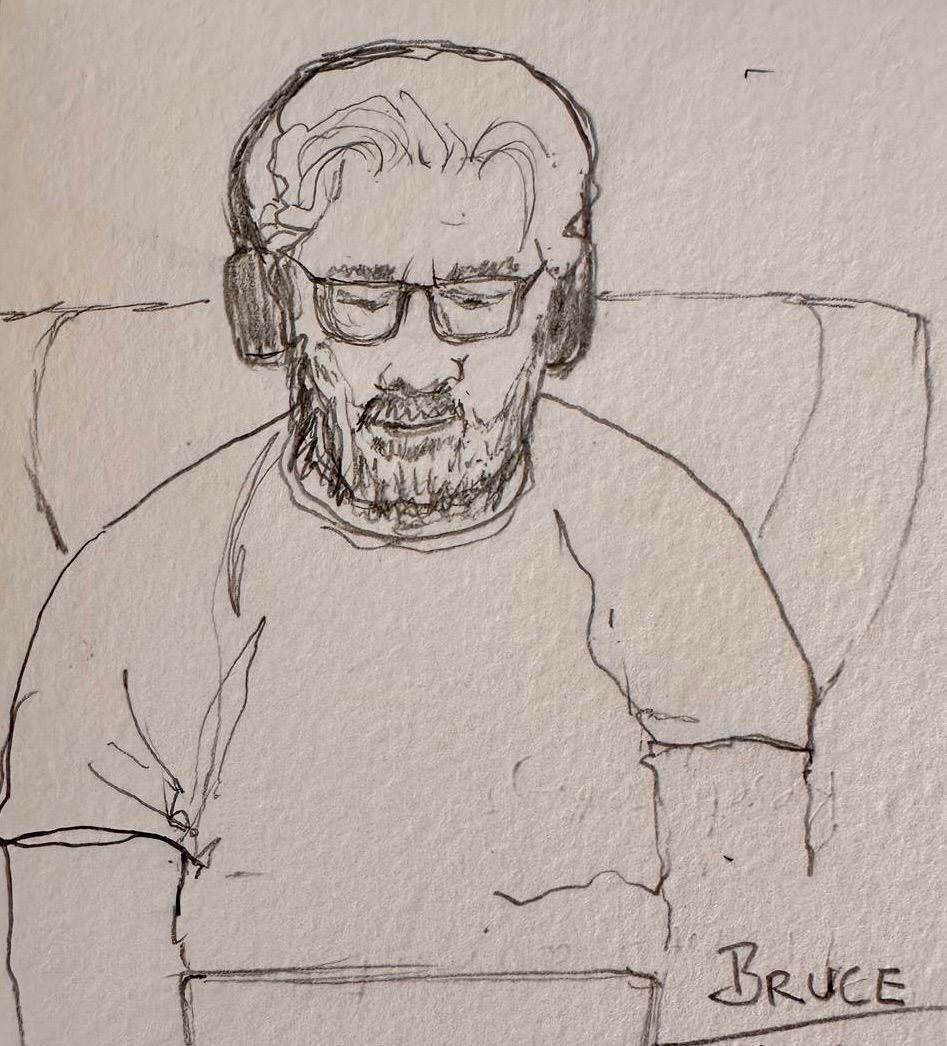
Silent tears drip from my beard, puddling on the glass tabletop in Dr Mandy’s office.
Slowly.
“Not much. Just flashes. Sounds. Images. Touch. Pain mostly.”
It’s a relief to stop lying.
“I feel like I should remember things, the helicopter flight and waking up in ICU, but I don’t think I do. My mind fills in the gaps with stuff that isn’t even mine to remember. Burnt hair. Charred skin. Old trauma cases bleeding in from my old life.”
“Any nightmares?”
“Fuck me, yes. Wet-the-bed-terrible night terrors, like when I was a kid.”
There it is again. The reek of burnt hair and wailing sirens.
Mandy looks at me. Interested. Almost concerned. Waiting for more.
“Everything seems so hard. I can’t think straight.”
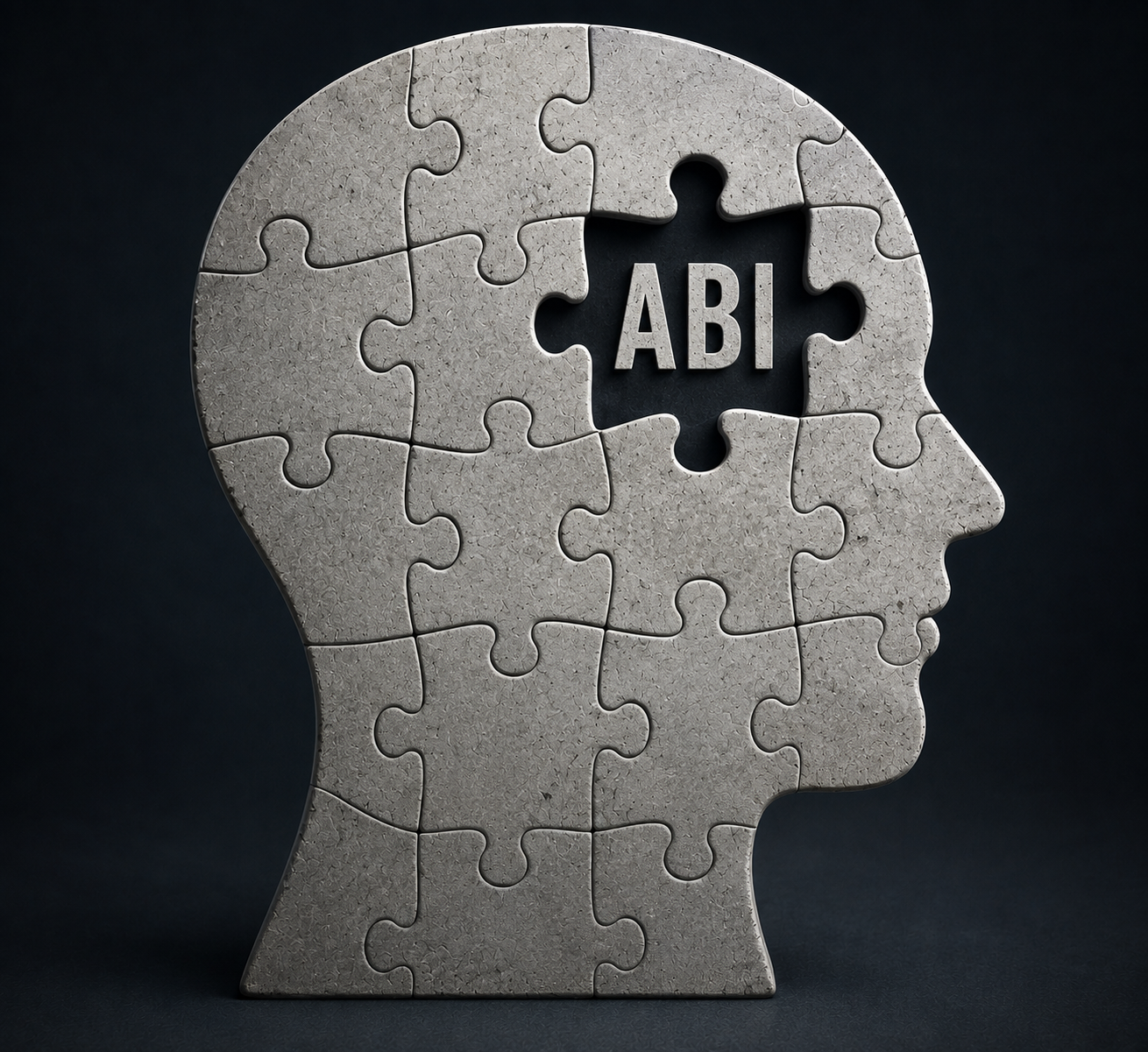
“Bruce, I think your brain injury is much worse than the doctors in Melbourne initially thought.”
Peeling skin and scorched hands.
“I get lost on my way to the train station after work, wander round town trying to find my way home.”
“That must be frightening for you,” says Mandy, writing a few words in her black book. “There’s another thing, Bruce.”
I sit forward, right foot tapping out an impossible rhythm on the lino floor.
“Did you ever think about ADHD?”
“Don’t fucking start with that neurodivergent crap.”
Mandy nods.
“So, you have?”
“Is it a problem?”
Mandy smiles. “Not in itself. Might not have been a problem pre-injury. Could be now.”
I sit back. Rage rising.
“RTA. TBI. DAI. PTSD. I don’t need any more fucking labels, Mandy. I just want to go back to work.”
* * *
Like it or not, neurodivergence, and for that matter, brain injury, are all part of my story.
I think of ADHD like being seven feet tall. On a basketball court, it’s a huge asset. On a long-haul economy flight, it’s a nightmare.
Before my accident, a 90-hour working week plus 300 km on my bike was normal. Fatigue wasn’t in my dictionary. Neither was empathy, except on special occasions.
In ICU, ADHD was a superpower: a ward of critically ill patients, a waiting room of grieving relatives, and a mind that moved between the two without spending any emotional cash.
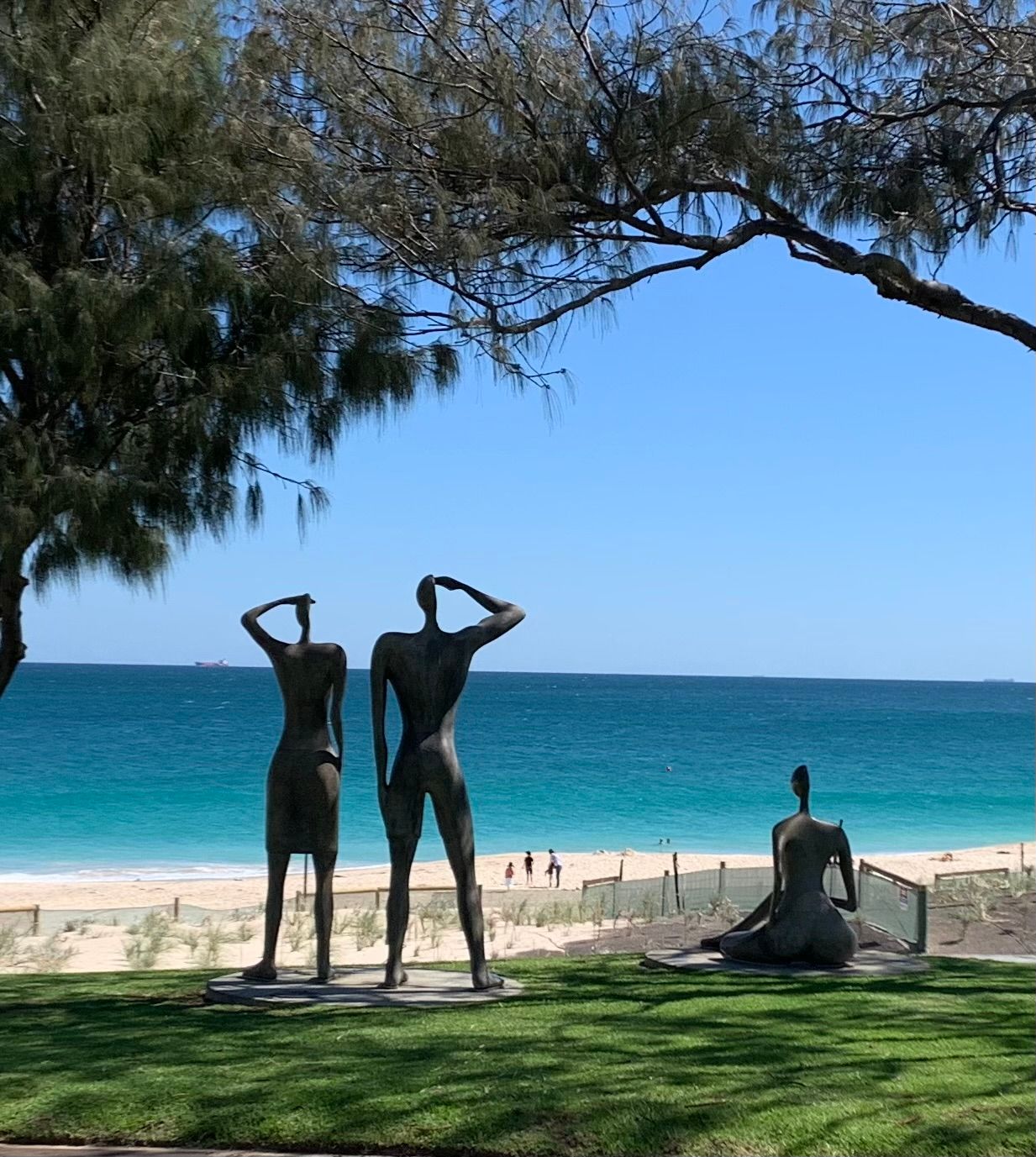
DonateLife needed my creative energy and left-field vision: I empowered others to run the routine business while I commissioned sculptures and facilitated new centres for organ donation. All those routines contained my chaotic, tangential predilections.
The brain injury broke the containment and the structure that had made ADHD an asset. The same restless, associative mind that found connections across patients’ problems now can’t hold one thought still long enough to let anyone else finish their sentence. Creativity and curiosity, the traits that made me good in a crisis, are now exhausting bedfellows.
Most disturbing of all is the connection I now feel with others’ pain and suffering. Vivid tragedies and trauma resurfacing in my writing.
“I am not sure who I am anymore,” I confess.
Mandy smiles.
“I don’t think that you’ve changed, Bruce. The accident has just exposed who you really are.”